
Top Prepaid eSIM Plans for Instant Global Connectivity
Over 90% of modern smartphones support eSIM technology, yet prepaid eSIMs eliminate the need for a physical SIM card entirely. A prepaid eSIM is a digital profile that you install directly onto your device, allowing you to activate a cellular plan before paying for data in advance. This approach offers immediate connectivity upon arrival at a destination, bypassing the need to hunt for local SIM vendors or swap cards. To use one, simply purchase a plan, scan a QR code to install the profile, and select the eSIM as your active line in settings.
Understanding the Shift to Digital SIM Technology
Understanding the shift to digital SIM technology means recognizing how prepaid eSIM replaces the physical plastic card. Instead of waiting for a SIM to arrive, you download a profile directly to your phone and activate instantly. This changes how you buy mobile service; options become immediate, with no shipping delays or trips to a store. Managing your plan shifts to an app or settings menu, letting you switch carriers or top up without handling a tiny card. For travelers, this removes the hassle of swapping trays, as multiple prepaid eSIM profiles can reside on one device, ready to activate when you land. It’s a practical move from handling hardware to simply tapping a screen to get connected.
What Sets These Flexible Profiles Apart from Plastic Cards
Unlike rigid plastic SIMs, these flexible eSIM profiles let you switch data plans or carriers within minutes, no trip to a store needed. You can store multiple profiles on one device and swap them for local rates as you travel, avoiding the hassle of fumbling with tiny cards. Instant remote activation sets them apart—scan a QR code, and your prepaid plan is live, no waiting for physical delivery. No slot means no risk of losing the card, and you can test different prepaid eSIM offers without committing to a single provider.
| Flexible Profiles | Plastic Cards |
| Switch carriers in minutes digitally | Requires physical card swap or replacement |
| Store multiple plans simultaneously | Limited to one active card per slot |
| No shipping delays for activation | Must wait for card delivery |
Why Travelers and Minimalists Are Switching
Travelers switch to prepaid eSIM to eliminate physical SIM swapping between countries, avoiding lost cards or roaming fees upon arrival. Minimalists adopt it to remove bulky plastic trays and multiple carrier accounts from their devices, streamlining their digital footprint. Both groups benefit from activating a local data plan instantly via an app, bypassing airport kiosks. This method preserves the phone’s single active slot for a home number while the eSIM handles data, a setup impractical with traditional SIMs. The switch centers on instant connectivity without hardware dependencies, allowing users to maintain a sparse, portable communication setup.
Key Differences Between Pay-As-You-Go and Traditional Plans
The biggest difference in a prepaid eSIM is the financial commitment. Traditional plans lock you into a monthly bill, often requiring a contract or long-term subscription. With pay-as-you-go, you buy a data bundle once, use it at your own pace, and it simply expires or pauses when empty—no surprise charges. Traditional plans auto-renew monthly, which is convenient but can waste money if you don’t use the data. The key practical distinction: a pay-as-you-go eSIM gives you total spending control, while a traditional plan offers predictable, recurring service. You top up a pay-as-you-go eSIM only when you need it, making it ideal for short trips or backup data, whereas traditional plans suit consistent, heavy users who want uninterrupted coverage without manually managing a top-up.
No Contracts, Full Control Over Usage
With prepaid eSIM, you skip long-term commitments entirely. Full control over usage means you decide exactly when and how your data gets consumed, without any contract dictating your monthly spend. You can pause your plan mid-cycle if you have leftover data, then reactivate it only when needed. Traditional plans often lock you into a fixed 12 or 24-month term, charging you even during months you barely travel. Pay-as-you-go eSIM lets you top up only for active days, so you never pay for service you don’t use.
How Refillable Account Systems Work
A refillable account system on a prepaid eSIM works like a digital wallet for your data. You top up a set amount, say $20, and that balance is deducted in real-time as you use megabytes or minutes. Unlike a monthly bill, your service pauses when funds run low, and you simply add more credit to resume. This gives you total control, spending only what you need. Usage-based credit deduction ensures you never waste money on unused data. How do I know when to refill? Most apps send a friendly alert when your balance drops below a certain threshold, so you can top up instantly.
Top Regions Where These Mobile Solutions Thrive
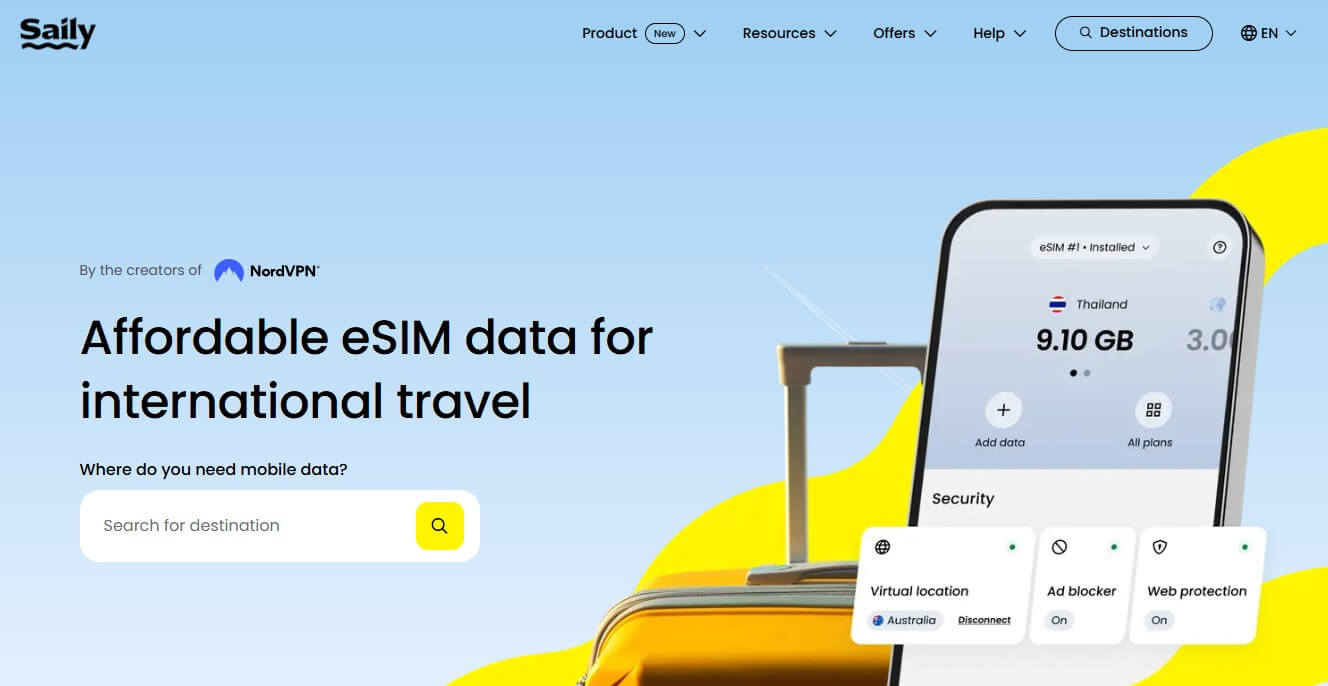
Prepaid eSIM solutions thrive most dynamically across Asia-Pacific and Europe, where travelers leap between countries without hunting for local SIM cards. In Japan and South Korea, seamless activation at airports connects users to blazing-fast LTE within minutes. Southeast Asia’s backpacker trail—Thailand, Vietnam, Indonesia—relies heavily on short-term data packs, letting tourists jump from Bangkok’s street markets to Bali’s beaches with a single QR scan. The European Union’s unified travel zone makes prepaid eSIM a powerhouse for multi-country trips, from Parisian cafes to Greek islands, all without swapping physical cards. North America’s hotspots like New York and Los Angeles attract visitors needing instant urban connectivity, while Middle Eastern hubs like Dubai offer premium data bundles for transit-heavy itineraries. Every region rewards the instant, flexible connection only prepaid eSIM can deliver.
Europe’s Competitive Market for Tourists
Europe’s competitive market for tourists compels providers to offer hyper-localized prepaid eSIM bundles that undercut traditional roaming fees. Travelers can exploit region-specific packages, such as a five-day pass for Italy’s Amalfi Coast or a Schengen-zone-wide plan, forcing carriers to compete on granular data allowances per country. This rivalry drives aggressive pricing for short-stay tourists, with some plans including free calls within local networks. The key advantage is flexibility—users can swap between providers via app without physical SIMs, leveraging Europe’s fragmented telecom landscape to select destination-specific prepaid eSIM deals tailored to their itinerary’s exact needs.
Asia-Pacific Hotspots for Short-Term Connectivity
The Asia-Pacific region offers several high-density hotspots for optimal prepaid eSIM short-term connectivity. In Japan, major airports like Narita and Kansai provide immediate activation for travelers needing fast data in Tokyo’s subway systems. South Korea’s Incheon and Jeju airports support instant eSIM profiles for seamless access to Seoul’s 5G networks. For short-term connectivity in Singapore, Changi Airport kiosks and online portals deliver immediate 4G/5G plans ideal for Marina Bay. Tourist-heavy zones such as Hong Kong’s Tsim Sha Tsui and Thailand’s Phuket also feature dedicated eSIM partners for 7- to 14-day passes.
| Hotspot | Primary Use Case | Typical Duration |
|---|---|---|
| Tokyo (Narita) | Urban transit & Wi-Fi gaps | 7–14 days |
| Singapore (Changi) | CBD & resort connectivity | 5–10 days |
| Phuket (Thailand) | Beach & island data | 3–7 days |
North American Options for Local and Roaming Use
For travelers through North America, prepaid eSIMs offer distinct local and roaming configurations. A local U.S. or Canadian plan, tied to a single country, provides the lowest per-gigabyte cost and fastest data speeds on domestic networks like AT&T or Rogers. Conversely, regional North American roaming packages allow a single eSIM profile to function across both the U.S., Canada, and often Mexico, though at higher per-gigabyte rates. This trade-off is critical: local plans are ideal for extended stays in one country with stable high-speed connectivity, while roaming options suit multi-destination trips, avoiding the hassle of swapping profiles at each border. A practical check is verifying if the eSIM imposes throttled speeds or daily fees when crossing into a different North American carrier’s zone.
Selecting the Right Plan for Your Needs
Selecting the right prepaid eSIM plan starts with mapping your data appetite and destinations. For a week-long city break, a 1GB daily plan avoids waste, while remote work demands unlimited data pots. Prioritize plans with local carrier access for stable speeds, not just coverage maps. Q: How do I match a plan to my trip? A: Divide your usual daily data usage by the number of days; the closest plan above that number is your sweet spot. Check if hotspot allowances match your tethering habits, and avoid global plans if you visit just one region—regional packs often cost half the price for the same gigs.
Data-Heavy Users vs. Light Browsing Preferences
When selecting a prepaid eSIM, your data appetite dictates the plan. Data-Heavy Users vs. Light Browsing Preferences split cleanly: heavy users require generous high-speed caps for streaming or tethering, while light users thrive on smaller pools for messaging and maps. A mismatch burns money or leaves you stranded. To choose wisely, follow this sequence:
- Estimate your daily consumption—heavy users need 5-10GB minimum; light users often manage under 1GB.
- Compare speed caps post-throttle, as heavy users suffer on slowed networks.
- Verify tethering allowances for heavy work, while light users can skip this cost.
Match your habit precisely to avoid overpaying or hitting a data wall mid-trip.
Local vs. Regional Coverage Zones
When evaluating prepaid eSIM plans, a critical distinction is the coverage zone granularity. A local zone restricts connectivity to a single country, ideal for deep, cost-effective coverage within that nation. In contrast, a regional zone bundles multiple neighboring countries, offering seamless roaming across borders without multiple SIM swaps. If your itinerary includes just one city, a local plan saves money. If you cross borders weekly, a regional plan offers superior convenience and avoids unexpected per-country top-ups.
Local zones prioritize depth and low cost per country; regional zones prioritize breadth and cross-border ease.
Validity Periods and Top-Up Flexibility
When selecting a prepaid eSIM, the validity period and top-up flexibility directly determine how long your service remains active and how easily you can extend it. Validity periods typically range from 7 days to 90 days, with longer durations offering lower daily costs. Top-up flexibility refers to whether a plan allows seamless data or credit additions without requiring a new eSIM installation. Some providers enforce strict one-time use, forcing re-purchase, while others permit multiple top-ups within the same validity window. Analyzing your travel duration and data consumption patterns helps you match a plan’s expiration date with your needs, ensuring you neither overpay for unused days nor face service gaps.
| Aspect | Example with 7-Day Plan | Example with 30-Day Plan |
|---|---|---|
| Validity period | Expires after 7 consecutive days | Expires after 30 consecutive days |
| Top-up option | Usually not allowed; new plan required | Often allows data top-up within period |
| Cost per day | Higher daily rate | Lower daily rate |
Step-by-Step Activation and Setup Process
You unbox your new device and open its settings, navigating to the mobile network pane to select “Add eSIM.” Your prepaid eSIM provider emails you a QR code; you point your phone’s camera at it, and within seconds the profile loads. The carrier’s app then prompts you to choose a prepaid data plan—you tap the 30-day unlimited option and enter your payment details. After payment clears, the eSIM activates instantly, showing a strong signal in the status bar. You complete activation by rebooting the phone, then confirm data works by loading a webpage. No physical card swapping, no store visit—just a straightforward setup process that takes under five minutes from start to finish.
Device Compatibility Checks Before Purchase
Before purchasing a prepaid eSIM, you Singapore eSIM must confirm your device is not carrier-locked and supports eSIM hardware and software requirements. Check your phone’s IMEI on the provider’s compatibility page or look for “eSIM” in your device’s settings menu—typically under “Cellular” or “Mobile Data.” Ensure your operating system is updated, as older versions may lack eSIM provisioning. For example, iPhone XS and newer, Google Pixel 3 and newer, and select Samsung Galaxy models work. Skipping this step risks buying a plan you cannot activate, wasting time and money. Always verify these specifics on the carrier’s official site or your phone manufacturer’s support page.
Before purchase, always confirm your device is unlocked, eSIM-compatible, and running updated software to ensure seamless activation.
Scanning QR Codes or Manual Installation
After purchase, you’ll activate your prepaid eSIM by either scanning a QR code or opting for manual installation via activation codes. Scanning is effortless: simply open your phone’s settings, select “Add eSIM,” and point your camera at the QR code provided by your carrier—activation completes in seconds. Manual entry is your fallback if the QR code fails or your device lacks a camera. You’ll receive a SM-DP+ address and confirmation code; navigate to your mobile network settings, choose “Enter Details Manually,” and type them in precisely. This method ensures compatibility with older devices or unstable connections.
| Method | Key Action | Best For |
|---|---|---|
| QR Code Scan | Point camera at code | Quick, simple activation |
| Manual Entry | Type SM-DP+ & code | No camera or code errors |
Managing Multiple Profiles on a Single Handset
To manage multiple prepaid eSIM profiles on one handset, you must first verify your device supports dual or multi-eSIM. Activate each plan via a QR code or app download, then use your phone’s cellular settings to label profiles (e.g., “Travel,” “Home”). Dynamic switching lets you toggle between plans without removing a profile—ideal for juggling a local data plan alongside an international backup. Disable unused profiles to prevent accidental data charges. For quick swaps, set a default voice line and data line separately. This workflow keeps your single handset flexible without carrying multiple SIMs.
| Action | Benefit |
|---|---|
| Label profiles | Instant visual identification |
| Toggle off idle eSIMs | Prevents background data drain |
| Separate voice/data lines | Optimizes coverage per use case |
Maximizing Value Without Hidden Costs
To maximize value without hidden costs in a prepaid eSIM, always choose plans that display the total price upfront, including all taxes and fees. Q: How do I avoid surprise charges? A: Select a provider that locks your data allowance, speed, and validity period at purchase. This prevents throttling or unexpected top-up demands. Look for plans that let you recharge at the same rate indefinitely, avoiding expiring cheap promotional pricing. Prioritize eSIMs with transparent “no extra roaming fees” for your destination—such as regional packages covering multiple countries at a single cost. This way, every megabyte you pay for is usable with zero undisclosed deductions.
Price Comparison Across Digital Storefronts
Price comparison across digital storefronts for prepaid eSIMs requires scrutinizing per-gigabyte costs, not total package prices. For example, a 10GB plan might be cheaper on one platform but cost more per GB than a 5GB plan elsewhere. Filters by validity or region often mask prepaid eSIM price discovery, as some vendors inflate base rates for local data but discount global roaming bundles. Always open the full breakdown to spot exclusions like throttling thresholds or activation fees that distort unit economics.
Comparing prepaid eSIMs across storefronts demands a per-GB cost analysis, excluding any bundled extras, to reveal the true value without hidden markups.
Avoiding Unplanned Overages and Fees
Prepaid eSIMs eliminate surprise charges by letting you fund only the data you intend to use. You avoid unplanned overages because the service cuts off automatically once your balance hits zero, rather than billing you for extra usage. To prevent fees, always top up using the provider’s official app or website, never through third-party resellers. Activate data auto-renewal capped at your chosen plan to stay connected without exceeding your budget. Monitor your remaining high-speed data through the eSIM’s dashboard to anticipate refreshes. This upfront control means every dollar you load is the only dollar you spend.
Avoid overages by funding only intended data, with service stopping at zero balance. Cap auto-renewal and top up via official channels.
Loyalty Programs and Referral Perks
Prepaid eSIM providers often reward consistent usage through referral perks and loyalty programs, letting you earn free data or plan credits without any hidden fees. Stacking these benefits maximizes your value—invite friends to get $10 off each, while accumulating points from every top-up unlocks discounted renewals. Many programs require no minimum spend, just active use.
- Earn bonus data for each successful referral, credited directly to your account.
- Loyalty tiers unlock escalating discounts on multi-GB plans or regional passes.
- Automatic point accumulation from purchases never expires if you reload annually.
Safeguarding Privacy and Security
When using a prepaid eSIM, safeguarding your privacy begins with selecting a provider that does not require extensive personal identification for activation, as this limits exposure of your data. Always download the eSIM profile directly from the official carrier app or website to avoid phishing links that could install malicious profiles. Remove the eSIM profile immediately after your travel or usage period ends to prevent potential remote tracking or unauthorized access from dormant connections. Secure your device with a strong screen lock and ensure the eSIM’s management interface is password-protected. This is particularly critical because a prepaid eSIM, while transient, still links your device’s unique identifiers to a foreign network.
Encryption Standards in Cloud-Based Connections
For prepaid eSIM, encryption standards in cloud-based connections ensure data exchanged between the device and carrier servers is protected. The connection uses AES-256 encryption for the eSIM profile download and activation, a symmetric key algorithm that secures the provisioning process. A clear sequence of protection involves:
- Establishing a TLS 1.3 tunnel to authenticate the remote server.
- Exchanging encrypted keys to verify the eSIM’s identity.
- Transmitting the profile data via AES-256, preventing interception during cloud sync.
This end-to-end encryption standard keeps configuration files unreadable to third parties across the cloud link.
What Happens When You Lose Your Device
Losing your device with a prepaid eSIM is less catastrophic than a physical SIM. Your eSIM profile remains tied to your account, not the hardware. Immediately log into your carrier’s portal to suspend the line, preventing unauthorized usage. You can then remotely transfer your eSIM to a new device by downloading the profile again. The process is quick:
- Suspend service via your account dashboard.
- Obtain a new QR code or activation link from your carrier.
- Scan it on your replacement device to reactivate the same number and data plan.
No waiting for a replacement card or losing your balance if you act fast.
Regulatory Protections for Data Roaming
Regulatory protections for data roaming ensure your prepaid eSIM remains secure when crossing borders. These frameworks mandate that providers enforce transparent data caps and cost alerts, preventing bill shock from hidden roaming fees. Data roaming compliance with these regulations guarantees your connection switches to local carrier networks without exposing your personal information to unverified third parties. Protections also require providers to offer clear opt-in mechanisms for roaming data, so you control usage. This maintains your privacy and prevents unauthorized data access while traveling, giving you confident connectivity abroad.
- Mandatory cost alerts prevent unexpected charges when roaming data is consumed.
- Local carrier network switching under regulatory rules limits exposure to insecure providers.
- Opt-in requirements ensure you authorize all roaming data usage, safeguarding privacy.
Common Pitfalls and How to Steer Clear

A common pitfall with prepaid eSIMs is activating the plan before reaching your destination, which can burn days of validity. To steer clear, always install the eSIM at home but wait to activate it until you arrive. Another frequent mistake is assuming the plan covers all networks; check provider coverage maps for your specific area. A crucial misstep is not noting the plan’s expiration date—set a calendar reminder to avoid losing remaining data. Q: How do I avoid losing data when switching phones? A: Ensure you save the eSIM installation details (like QR code or activation code) before removing it from your old device, as many prepaid eSIMs cannot be transferred after initial setup.
Incompatible Phone Models and Band Restrictions
A primary pitfall with prepaid eSIMs is assuming your phone is compatible. Even if a device supports eSIM, it may lack the specific cellular bands for prepaid eSIM used by a particular network, especially overseas models. A phone bought for a carrier in one region often omits bands critical for another. To avoid failure, always verify your model’s exact LTE/5G band support against the eSIM provider’s network. Q: Can my phone still work if it’s missing one band? A: Possibly, but you risk spotty coverage or no connection. Only a device with the required bands guarantees performance.
Expired Credits and Unused Balances
A major pitfall with prepaid eSIMs is allowing credits to expire or leaving balances unused. To avoid wasting money, always check the plan’s validity period—some last 7 days, others 30. If you don’t travel frequently, buy smaller, shorter-duration top-ups to prevent paying for data you won’t use. Follow this sequence:
- Review the credit expiry date immediately after purchase.
- Use low-value refills that match your exact trip length.
- Set a calendar reminder to use or extend the balance before it vanishes.
Treat your prepaid eSIM like a daily coffee—use it before it goes cold. Otherwise, the entire balance evaporates without refund.
Misreading Fair Use Policies

Misreading fair use policies is a common pitfall when selecting a prepaid eSIM, often leading to unexpected throttling or service suspension. Users frequently mistake “unlimited” data plans for unrestricted high-speed access, failing to note the specific usage thresholds that trigger speed reduction triggers. These policies typically detail daily or weekly caps after which streaming and downloads slow drastically. To steer clear, always read the fine print for exact limits on tethering and video resolution. Verify whether your intended activities—like HD streaming or extensive navigation—exceed the policy’s stated fair use parameters before purchasing.
Future Trends in On-Demand Connectivity
Future trends in on-demand connectivity will see prepaid eSIMs evolve into ultra-dynamic, lifestyle-integrated tools. Instead of buying static data packs, users will activate micro-plans triggered by context, like automatically switching to a local carrier when a flight lands. The eSIM profile itself might become modular, allowing you to purchase temporary high-speed priority for a critical video call or a burst of bandwidth for a 4K upload, with the network intelligently stitching these fragments together. One emerging capability is “usage hedging,” where your device pre-purchases a small pool of data at the cheapest predicted rate. For example: Q: Can I buy data only for the hours I actually travel? A: Yes, future prepaid eSIMs will support real-time, pay-per-minute or pay-per-gigabyte slices, enabling you to pay strictly for connectivity when movement is detected, not for static idle time.

Integration with IoT and Smart Devices
Prepaid eSIMs are foundational to scaling seamless IoT device management, allowing smart gadgets like sensors, trackers, and wearables to activate cellular connectivity instantly without physical SIM swaps. A single prepaid eSIM profile can remotely provision multiple headless devices, enabling dynamic data plan adjustments based on real-time device consumption. This integration ensures low-power equipment remains online across borders by switching carrier profiles automatically. For users, a smart thermostat or pet tracker can be activated with a QR code scan, then managed via a central dashboard that monitors data usage and triggers top-ups when thresholds are met. Q: How does a prepaid eSIM manage data conflicts between multiple IoT devices on one account? A: It enables granular data pooling, where each device pulls from a shared balance while you set per-device caps and alerts to prevent overage.
Dynamic Pricing Models Based on Demand
Dynamic pricing models for prepaid eSIM will adjust data costs in real-time based on network demand in your immediate location. Real-time demand-based pricing means you pay less during off-peak hours or in less congested zones, rewarding flexible usage. A core function triggers automatic price drops when local tower capacity is low, allowing you to schedule heavy downloads when rates are cheapest. The system continuously recalibrates cost per gigabyte against current traffic density, not arbitrary time slots. This turns connectivity into a variable asset, where your payment directly reflects the network strain you impose.
Dynamic pricing models for prepaid eSIM automatically fluctuate data costs based on real-time local network demand, letting users pay less during low-traffic periods and rewarding usage flexibility.
Growing Role of Cross-Border Alliances
Cross-border alliances are making prepaid eSIMs incredibly hassle-free for travelers. Instead of juggling multiple regional SIMs, seamless international roaming now comes from partnerships between carriers. Your eSIM automatically switches to a local partner network as you cross borders, preventing the need to manually download a new profile for each country. These alliances often bundle coverage across several nations into a single, affordable plan, so your data keeps flowing without interruption. It’s like your phone knows exactly which local tower to connect with, giving you a genuinely connected experience wherever you land.
| Alliance Benefit | User Impact |
|---|---|
| Single plan for multiple countries | No separate purchases per border crossing |
| Auto-switch to partner networks | No manual profile swapping needed |
| Consistent local pricing | Avoids expensive standard roaming rates |